Design Deep Dive #1 - Make Sure Your Drawers Don't Hit Any Appliances!
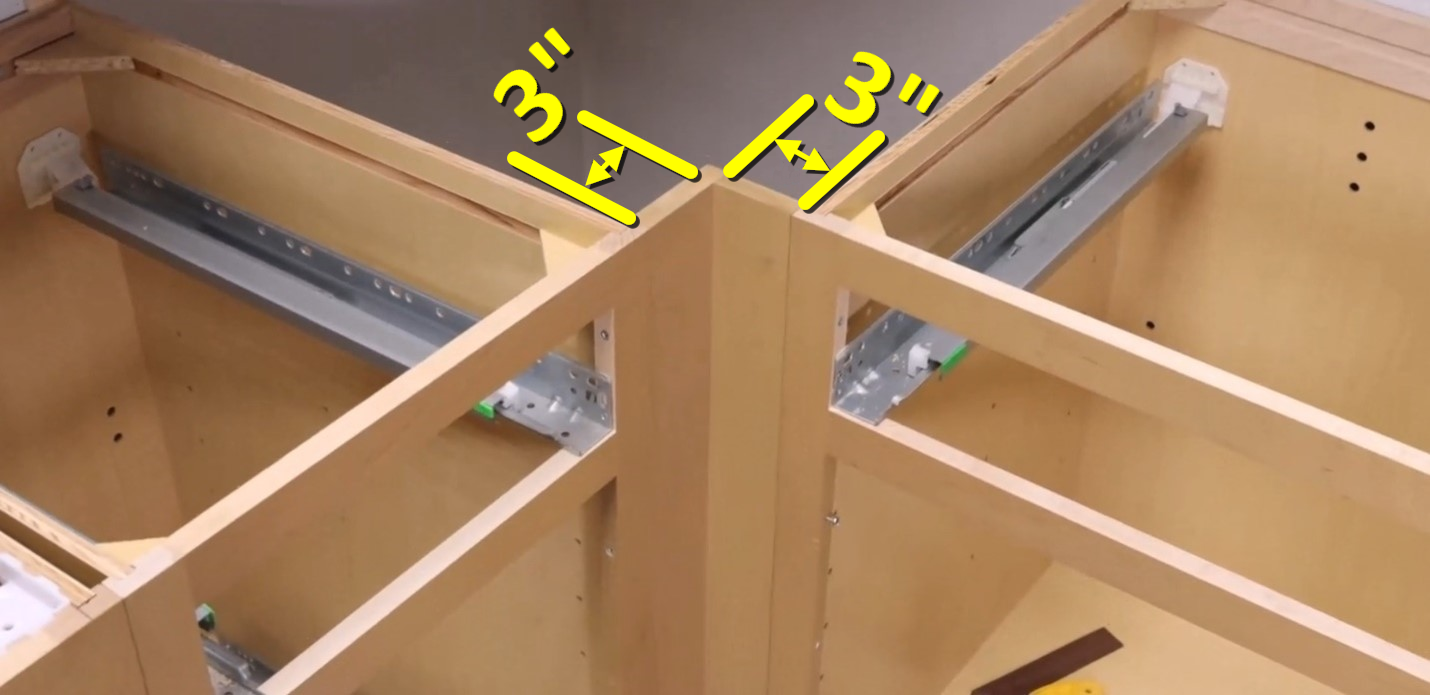
One of the first things you will learn as a kitchen and bath designer is to use the correct fillers in a corner where two base cabinets meet, which prevents the drawers from colliding with each other after the hardware is installed. The last thing you want to do is give a customer an amazing kitchen only for the finish to be ruined by an oversight from an amateur design mistake. The most common way to avoid this problem is to use 3-inch fillers along each cabinet in the corner. This is sometimes known as the three-by-three rule, and you can see it in action in the photos below.

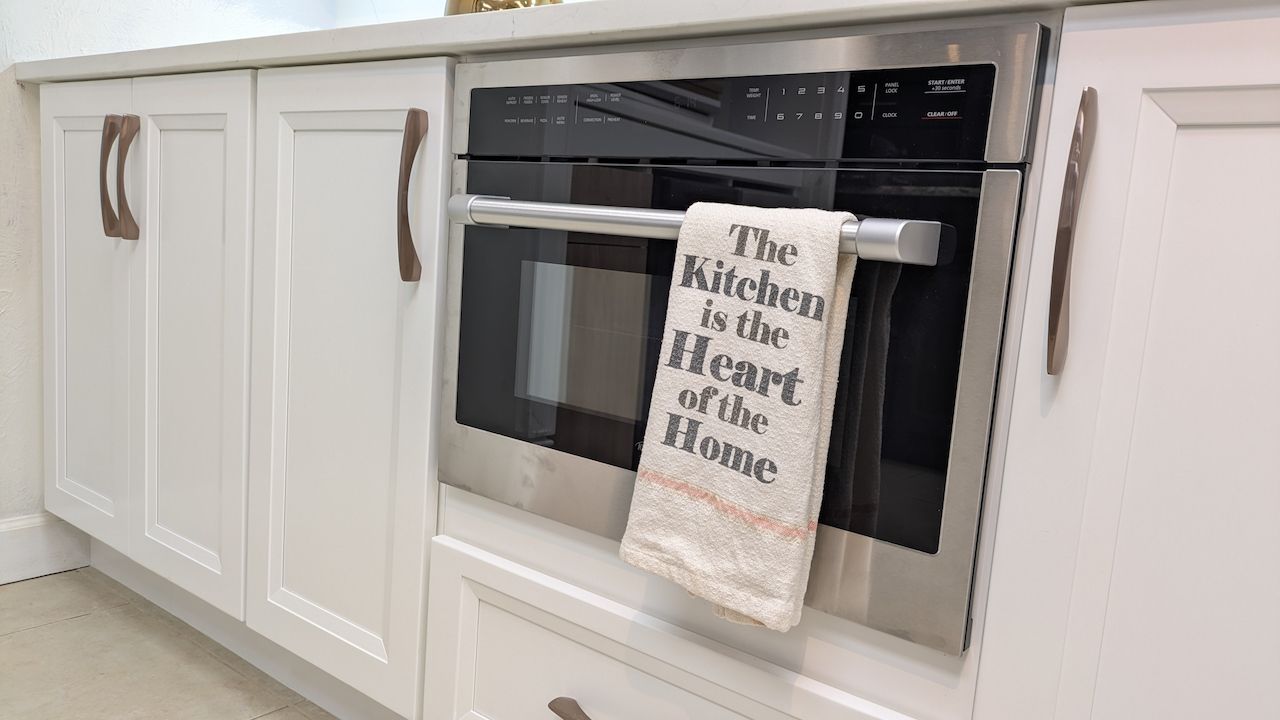
Every new designer should learn this within their first few days on the job. However, drawers and hardware are not the only obstructions you may find in a corner. Appliances located close enough to the corner are also a major concern. Many ovens, dishwashers, and under-counter refrigerators have large handles that stick out more than three inches, so it's important to study the appliance specifications (or measure the existing appliances) before you finalize the drawings and order the cabinets. 
If a dishwasher in the corner has a large protruding handle, then you will have to make the adjacent filler at least 1 inch wider than the depth of the unit, including the handle. Using the dishwasher specifications above, calculate the adjacent filler size, subtract the cabinet depth of 24 inches from the "appliance depth with handle" dimension, and then add 1 inch.

This is a common design issue, especially with older houses where the range or dishwasher is already in the corner and electrical connections cannot be moved easily. Smaller kitchens can also have appliances near the corner due to limited space. Below is a CAD floor plan view of a properly planned corner dishwasher that is 27 5/16” deep. If you used a standard 3 inch filler in this design, the drawer would not open.


This tip is equally important for the designer and installer. The designer may provide notes and details, but it is ultimately up to the installer to follow them. Whenever there is an appliance in the corner, pay close attention to depth to get the fillers and clearances right.
Thanks for reading, and keep building!
—The Cabinet Academy Team